Choosing the right menu is the single biggest decision you'll make as a food truck owner. Get it right and you'll have queues down the street. Get it wrong and you'll be sitting idle while the truck next to you sells out. The global food truck market is growing at a 6.3% CAGR through 2030, with fast-food items, BBQ, and desserts leading the pack worldwide - here's a practical guide to the food truck menu ideas that actually sell in South Africa.
| Menu Idea | Typical Price | Speed | Best For |
|---|---|---|---|
| Smash Burgers | R75 - R120 | Under 3 min | Markets + corporate lunches |
| Wood-Fired Pizza | R80 - R150 | 4 - 6 min | Events + weddings |
| Loaded Fries | R65 - R100 | 2 - 3 min | All-day markets |
| Gourmet Boerewors | R70 - R100 | 2 - 3 min | Heritage events + markets |
| Tacos & Burritos | R45 - R130 | 2 - 4 min | Build-your-own stations |
| Asian Street Food | R50 - R130 | 3 - 5 min | Urban markets + festivals |
| Dessert Trucks | R35 - R85 | 1 - 2 min | Weddings + night markets |
| Coffee & Specialty Drinks | R25 - R50 | 1 - 2 min | Office parks + morning markets |
| Bunny Chow | R55 - R90 | 1 - 2 min | KZN + Gauteng markets |
| Halaal Menus | R70 - R130 | Varies | Cape Town + JHB |
What Makes a Good Food Truck Menu?
Before diving into specific ideas, it's worth understanding what separates a great food truck menu from a mediocre one. The rules are different from a sit-down restaurant:
- Keep it small: 5-8 items maximum. A focused menu means faster service, less waste, and better quality. Your customers are standing in a queue - they don't want to read a novel
- Make it handheld: The best food truck items can be eaten standing up without a knife and fork. Wraps, rolls, bowls, and items in paper boats all work well
- Price for impulse buys: The sweet spot for most South African food trucks is R60-R120 per item. Low enough for an impulse purchase, high enough to cover your costs
- Build around one hero item: Have a signature dish that people associate with your truck. Everything else on the menu should support it
- Consider prep time: If an item takes more than 5 minutes to plate from order, it's going to create bottlenecks during peak service
1. Smash Burgers
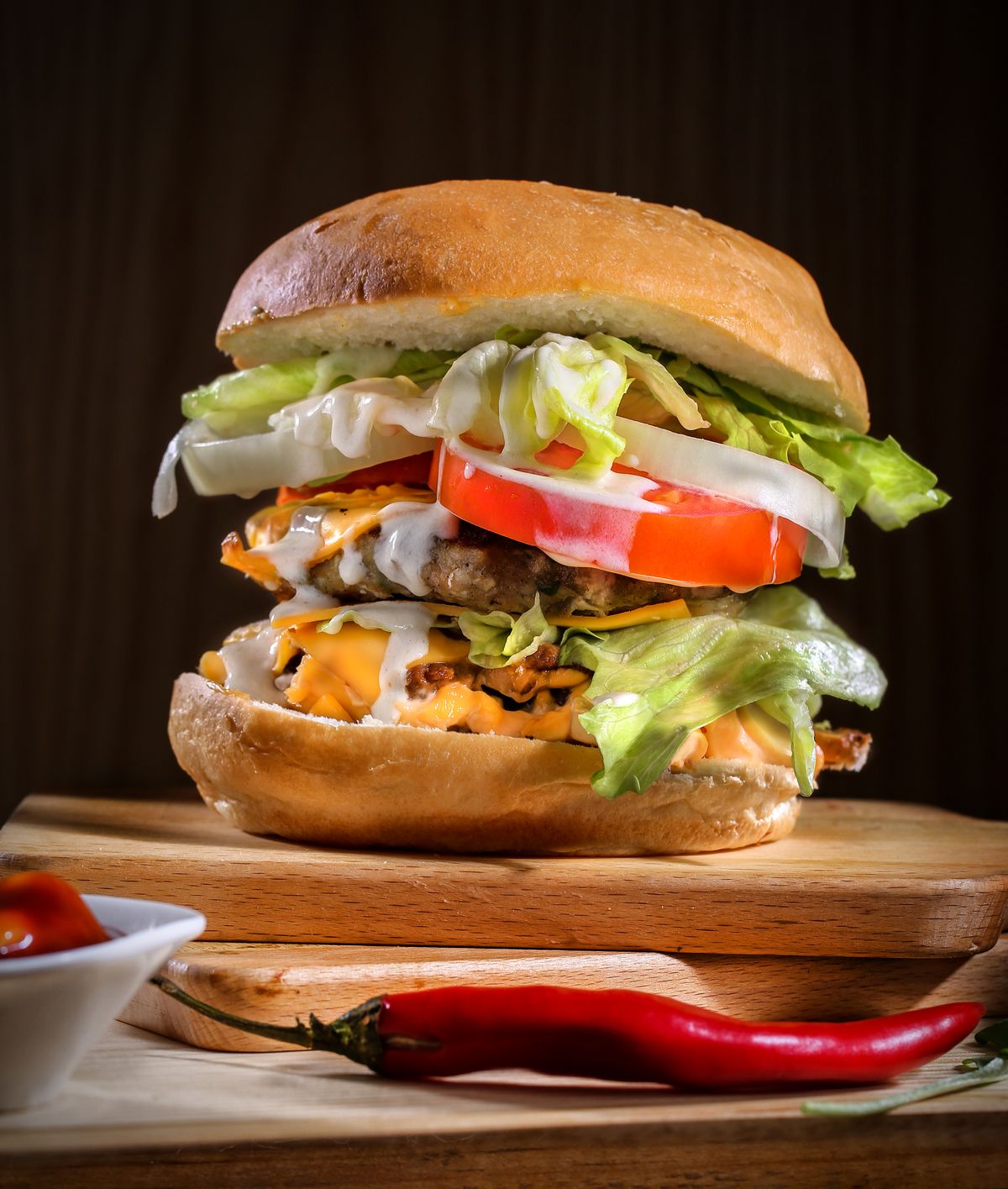
Smash burgers have taken the South African street food scene by storm. The thin, crispy-edged patties are quick to cook, easy to customise, and have a premium feel that justifies a higher price point than a standard burger.
Why it works: Fast cook time (under 3 minutes), high perceived value, easy to upsell with loaded fries or milkshakes. Ingredient costs are manageable since the patties are thin.
Price range: R75-R120 for a double smash with fries.
2. Wood-Fired Pizza
Pizza trucks do well at markets and events across South Africa. The wood-fired oven is a visual centrepiece, and almost everyone eats pizza.
Why it works: Pizza appeals to virtually everyone, including kids. You can charge premium prices for Neapolitan-style pizza. The oven itself is a marketing tool - people are drawn to the flames and the smell.
Price range: R80-R150 per pizza depending on toppings and size.
3. Loaded Fries and Chip Boxes
Loaded fries are one of the most profitable food truck items you can sell. The base ingredient (potatoes) is cheap, the toppings add perceived value, and people love sharing a box with friends.
Why it works: Extremely high margins, shareable (great for social media), quick to assemble during service, and endlessly customisable with different toppings and sauces.
Popular variations:
- BBQ pulled pork fries with coleslaw and jalapeños
- Cheesy chakalaka fries - a South African twist
- Korean fried chicken fries with sriracha mayo
- Classic cheese and bacon with your house sauce
Price range: R65-R100 per box.
4. Gourmet Boerewors Rolls
The boerewors roll is South Africa's original street food. But the key word here is gourmet. A standard boerewors roll from a braai stand goes for R30-R40. A food truck version with artisan bread, caramelised onions, homemade relish, and quality wors can command R70-R100.
Why it works: Everyone knows and loves boerewors. Elevating a familiar favourite is easier than introducing something completely new. Low ingredient complexity means fast service and less waste.
5. Tacos and Burritos
Mexican-inspired food translates perfectly to the food truck format. Tacos are handheld, quick to assemble, and customers can mix and match flavours.
Why it works: Tacos are inherently shareable and photogenic. You can prep most fillings in advance, making service fast. The build-your-own element gives customers a sense of choice without slowing you down.
Popular fillers for the SA market:
- Slow-cooked beef brisket
- Pulled chicken with chipotle
- Spicy bean and sweetcorn (vegetarian)
- Grilled fish with mango salsa - perfect for coastal markets
Price range: R45-R65 per taco, or R90-R130 for a combo of 3.
6. Asian Street Food
Bao buns, ramen bowls, Korean fried chicken, and poke bowls have all found a strong following in South Africa's urban centres. If you're near Johannesburg, Cape Town, or Durban, Asian-inspired street food can set you apart from the burger-and-fries crowd.
Why it works: It fills a gap in the market - there are far fewer Asian food trucks than burger trucks. The flavours are bold, the presentation is Instagram-worthy, and food costs can be kept reasonable with rice and noodle bases.
Best options for food trucks:
- Bao buns: Steamed buns with fillings like pork belly, fried chicken, or mushroom. Compact, unique, and easy to serve (R50-R75 for 2)
- Korean fried chicken: Crispy, saucy, and highly addictive. Serve in a box with pickled veg (R85-R110)
- Poke bowls: Fresh, healthy, and customisable. Strong appeal with the health-conscious crowd (R90-R130)
7. Dessert Trucks
Don't overlook the sweet side. Dessert trucks often have the highest margins and the longest queues, especially at family-friendly events and evening markets. They're also one of the most popular choices for wedding catering - a crêpe or gelato truck as a late-night snack is something guests remember.
Top sellers:
- Soft serve and gelato: Low cost per serve, extremely popular in summer (R35-R60)
- Crêpes and waffles: Quick to make, endlessly customisable with toppings (R55-R85)
- Churros: Cheap to produce, high perceived value, great impulse buy (R40-R65)
- Milkshakes and freakshakes: High margins and very shareable on social media (R55-R80)
8. Coffee and Specialty Drinks
A coffee truck is one of the most reliable food truck businesses you can start. South Africans love their coffee, and a well-positioned truck at a morning market, office park, or sports event can serve hundreds of cups in a few hours.
Why it works: Coffee has some of the best margins on any menu. Repeat customers are the norm - once people find a good coffee truck, they come back weekly.
Expand the menu with:
- Cold brew and iced coffee (essential in summer)
- Chai lattes and matcha
- Fresh pastries and muffins from a local bakery
- Breakfast wraps or toasted sandwiches during morning service
9. Bunny Chow
Originating in Durban, bunny chow is one of South Africa's most iconic dishes - and it's tailor-made for food truck service. A hollowed-out half or quarter loaf filled with curry is handheld, filling, and affordable.
Why it works: Strong cultural connection, especially in KwaZulu-Natal and Gauteng. Cheap base ingredients with high perceived value. Easy to prep in bulk - curries can be made ahead and kept warm during service.
Popular fillings:
- Chicken curry (the classic)
- Lamb curry
- Bean curry (vegetarian/vegan option)
- Mutton curry for the traditionalists
Price range: R55-R90 depending on the filling and portion size.
10. Halaal-Friendly Menus
South Africa has a large Muslim community, and Halaal food trucks are in high demand - particularly in Cape Town and Gauteng. If your truck is Halaal-certified, make sure you market it prominently. It's a genuine competitive advantage.
Popular Halaal food truck items:
- Shawarma wraps and platters
- Grilled chicken and rice boxes
- Halaal burgers with certified patties
- Gatsby sandwiches - a Cape Town staple
How to Test Your Menu Before Committing
Before you build your entire operation around a menu concept, test it. If you're still in the early stages, our guide to starting a food truck business covers the full picture from permits to finding your first locations.
- Pop-up first: Set up at a local market for a few weekends with a limited menu. Track what sells and what doesn't
- Watch the numbers: Calculate your food cost percentage for each item. Aim for 25-35% food cost - if an item costs R30 in ingredients, sell it for R85-R120
- Get honest feedback: Ask customers what they'd change. Watch what they don't finish
- Check the competition: Visit markets where you plan to trade. If there are already five burger trucks, that's a signal to differentiate
- Seasonal adjustments: Plan a summer and winter menu. Poke bowls sell well in December, not so much in July. Hearty stews and braai items do better in winter
Pricing Your Menu for Profit
Many food truck owners underprice their menus because they compare themselves to fast food chains. Don't. You're offering a different experience - fresh, artisanal food made in front of the customer. Price accordingly.
Suggested food cost targets
Based on the 28-35% industry benchmark for restaurant food cost
Lowest food cost, highest margin - especially espresso-based
Potatoes are cheap, toppings add perceived value
The sweet spot for most food truck concepts
Cheese and flour are reliable but not dirt cheap
Higher food cost - you charge more to compensate
- Calculate your food cost: Total ingredient cost per item divided by selling price. Aim for the industry benchmark of 28-35% - food trucks can often land on the lower end of that range thanks to lean operations
- Factor in overheads: Fuel, gas, market fees (typically R500-R2,000 per day), insurance, and staff
- Don't race to the bottom: A R60 burger with quality ingredients and great flavour beats a R40 burger that tastes average
- Upsell strategically: Offer combo deals (burger + fries + drink for R130) to increase your average transaction value
Get Your Menu in Front of Hungry Customers
Once you've nailed your menu, the next step is getting discovered. You can list your food truck on Food Truck Finder for free. Leave your details and we'll set up a page with your menu, photos and contact details.
If you're a customer looking for these cuisines, you can browse food trucks by cuisine or search by specialty to find exactly what you're craving. New to food trucks? Here's what to expect on your first visit.
Looking to hire a food truck for an event? Our event catering guide covers everything from pricing to logistics, or browse food trucks available for hire directly.
Finally, whatever menu you choose, remember every food truck in South Africa needs to comply with the National Department of Health's food control regulations (Regulation R638) - including a Certificate of Acceptability from your local municipality.
Frequently asked questions
What are the most profitable food truck menu items in South Africa?
Items with low ingredient cost and high perceived value tend to do well: loaded fries (potatoes are cheap, toppings add theatre), coffee and speciality drinks (some of the best margins on any menu), wood-fired pizza, smash burgers, and dessert trucks (soft serve, churros, crepes). Bunny chow is another good option thanks to cheap base ingredients and strong demand in KwaZulu-Natal.
How many items should be on a food truck menu?
Five to eight items is a good target. A focused menu means faster service during peak times, less ingredient waste, tighter food costs, and better consistency on the items you do serve. Customers in a queue want a quick, confident decision. Many trucks keep to about six main items plus a weekly special.
What's a good food cost percentage for a food truck?
Aim for 28-35% food cost on every menu item - that's the industry benchmark across most restaurant formats. Food trucks can often land on the lower end of that range (25-30%) thanks to leaner overheads, a tight menu, and less waste than a full restaurant. If an item costs you R30 in ingredients, sell it for R85-R120 to hit the target margin and leave room for fuel, gas, market fees, and staff.
How do I price food truck menu items for maximum profit?
Start with your food cost: total ingredient cost divided by selling price should sit between 25-35%. Then factor in overheads (fuel, gas bottles, market fees of R500-R2,000 per day, insurance, staff). Don't race to the bottom against fast food chains - you're selling fresh, handmade food, not commodity burgers. Combo deals (main + side + drink for R130) are the best way to lift your average transaction value without resisting price-sensitive customers.
What are the easiest food truck menu ideas to get started with?
Low-complexity menus suit a new food truck: gourmet boerewors rolls (familiar, fast, low prep), loaded fries boxes (one base, many toppings), coffee and pastries (simple equipment), and smash burgers (short cook time, easy to standardise). All four sell well at South African markets, keep food costs lean and have short prep times, which is what you want while you are still learning peak-time service.
Do food trucks in South Africa need halaal certification to serve halaal food?
If you're marketing food as halaal you need certification from an accredited body - Muslim customers specifically check. The South African National Halaal Authority (SANHA) is the most widely recognised certifier in the country and certifies food trucks, restaurants, caterers, and manufacturers. Certification covers ingredients, suppliers, kitchen workflow, and staff training. Once certified, display the SANHA mark prominently on your truck and menu.
What are the food safety requirements for a food truck menu in South Africa?
Every food truck in South Africa must comply with Regulation R638 under the Foodstuffs, Cosmetics and Disinfectants Act, administered by the National Department of Health. You need a Certificate of Acceptability (COA) from your local municipality's Environmental Health Department, issued after inspection of your preparation area, equipment, cold chain, and staff food-safety training. The COA is mandatory - trading without one is illegal and can result in closure.